How to Design your Warehouse Racking Layout for Optimization?
Warehouse design contributes to the overall efficiency of storage and material handling unit. It helps in effective inventory management activities. Generally, the infrastructure of a warehouse system remains complex and therefore creating a design layout for the same is a difficult task. Owing to the complexity, the design of pallet rack system layout has to be meticulous and it requires consideration of several factors. To design an efficient warehouse layout you need to know different types of layouts, available space, pallet types, etc. If you are willing to design an efficient warehouse layout but do not know much about it, then this post is for you. This post discusses different tips for the perfect warehouse layout design.
Warehouse design contributes to the overall efficiency of storage and material handling unit. It helps in effective inventory management activities. Generally, the infrastructure of a warehouse system remains complex and therefore creating a design layout for the same is a difficult task. Owing to the complexity, the design of pallet rack system layout has to be meticulous and it requires consideration of several factors. To design an efficient warehouse layout you need to know different types of layouts, available space, pallet types, etc. If you are willing to design an efficient warehouse layout but do not know much about it, then this post is for you. This post discusses different tips for the perfect warehouse racking design and pallet racking layout.
How Do You Layout a Warehouse and Distribution Center?
When it comes to designing a layout for a warehouse and distribution center, the construction of a warehouse is not the only consideration. There are multiple factors one must consider to achieve the desired efficiency for material handling units. Let us discuss how to design a warehouse racking layout and its important considerations.
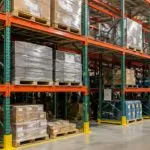
A well-planned pallet racking layout ensures that storage capacity, product accessibility, and material handling operations work together efficiently. From selecting the right rack configuration to planning forklift movement, every element of a warehouse pallet rack layout contributes to overall warehouse productivity.
Designing a Warehouse Layout
You must consider the following factors to optimize the storage & distribution capacity of a warehouse and distribution center.
- Analyze the Storage Requirements: Analysis of storage requirements is the primary activity in the design of warehouse layout. It can include consideration of the following factors.
- Type of products to be stored
- The collective weight of products
- Duration of storage
Considering these three factors during the analysis of the storage requirement helps in deciding the size of a warehouse unit, size of pallets, aisle width, etc. These factors also help determine the most suitable pallet racking layout, including rack dimensions, storage levels, and the amount of space required for safe product movement.
- Strategize for Maximum Physical Storage: The motive of designing a warehouse layout is to achieve the maximum possible storage capacity. This storage capacity can be achieved using well-designed pallets and racks that allow efficient product storage with easy loading and unloading. The maximum storage capacity achieved should not result in crowding the products or damage.
An optimized warehouse pallet rack layout makes effective use of vertical and horizontal space while maintaining sufficient room for loading, unloading, inspection, and inventory movement. The objective is to achieve high-density storage without compromising accessibility or workplace safety.
- Select an Appropriate Type of Layout: There are multiple types of warehouse layouts. One of these layouts can be chosen according to the storage requirements, product circulation requirements, etc. To choose the correct type of layout, you must know what are the types of warehouse layouts for pallet racking? Let us discuss the same.
Choosing the right pallet racking layout requires an understanding of product turnover, storage density, accessibility requirements, and the equipment used for material handling. Different rack configurations offer different advantages, making it important to select a warehouse pallet rack layout that matches the operational needs of the facility.
- Selective Racks Layout: The selective racks layout is suitable for long-term storage and circulation. In this type of warehouse layout, a selective number of racks is dedicated to circulating products and the remaining are reserved for long-term storage. Circulating pallets are kept more accessible.
A selective warehouse pallet rack layout is ideal for facilities that need direct access to individual pallets. It supports organized inventory placement and can be adapted to warehouses handling multiple product categories or frequent stock movement.
- Drive-in or Drive-through Racks Layout: Drive-in racks or drive-through racks layout consist of mobile pallets or shuttle. In these systems, the shuttles or pallets are moved in and out of the racks for loading and unloading.
When designing a pallet racking layout with drive-in or drive-through systems, businesses should consider forklift access, loading patterns, product uniformity, and storage turnover. These factors help determine whether the selected warehouse pallet rack layout can support high-density storage efficiently.
- Push-back Racks Layout: Push-back racks layout is suitable for durable high-capacity storage. In this type of racks layouts, the shelves or pallets filled with products to store for a longer duration are pushed back. In the front, the shelves or pallets are assembled so that circulating products are accessible easily.
A push-back warehouse pallet rack layout can help businesses increase storage density while maintaining access to multiple product levels. It is particularly useful when warehouse operations require efficient use of available floor space and organized product handling.
- Design for Mobility: Movable racks are a smart way of enhancing the efficiency of the warehouse layout. If you are planning to install mobile racks, you need to address available floor space, obstacles, and mechanization requirements. You can design the entire warehouse system for mobility or partial mobility for pallets and racks.
Mobility is an important consideration in modern warehouse racking design. A properly planned pallet racking layout should allow racks and pallets to be accessed or repositioned efficiently while minimizing unnecessary movement and operational interruptions.
- Map the Routes for Mobility: If the design for mobility is adopted, the routes for the movement of racks and pallets must be designed strategically. This can include designing an obstacle-free route.
An efficient warehouse pallet rack layout should include clearly defined movement paths for forklifts, pallet trucks, and other material handling equipment. Proper aisle planning helps reduce congestion and supports smoother loading and unloading operations.
- Keep Flexibility for Expansion and Scalability: During designing the layout for the warehouse, there should be scope for expansion and scalability. In the future, there can be an increased need for storage, need for additional space, etc. Therefore, the scope for expansion is essential. Warehouse systems are integrated with automation, therefore, the scope for enhancing scalability is essential. For this, the system should be compatible with additional device integrations, software compatibility, inventory management systems, etc.
When planning a warehouse racking layout, businesses should consider future inventory growth, additional rack installations, automation upgrades, and changes in operational requirements. A scalable warehouse pallet rack layout makes it easier to expand storage capacity without completely redesigning the facility.
- Implement a Suitable Warehouse Management Methodology: The warehouse management methodologies like first-in-first-out (FIFO), last-in-first-out (LIFO), etc are crucial parts of inventory management. Adopt the methodology that suits best your material handling needs. Regardless of the type of methodology chosen the warehouse layout should support its operation.
The selected pallet racking layout should support the chosen inventory management methodology by ensuring that products can be accessed, rotated, and replenished according to operational requirements. Aligning storage design with inventory practices helps improve warehouse organization and efficiency.
Why Is Pallet Racking Layout Important for Warehouse Optimization?
A carefully planned pallet racking layout helps businesses make better use of available warehouse space while supporting safe and efficient material handling. It brings together rack selection, aisle planning, product accessibility, and storage density to create an organized storage environment.
A well-designed warehouse pallet rack layout can also support improved inventory visibility, smoother product movement, and future operational expansion. By considering both current and long-term storage requirements, businesses can develop a warehouse system that balances productivity, safety, and flexibility.
As the above information offers you easy-to-follow tips for the perfect warehouse layout, that is not enough. While all your queries on how to design your warehouse racking layout for optimization are answered, you must realize the importance of investing in quality racks. Even if you may succeed in building a high density and high productive warehouse or a distribution center following these tips, it may not ensure the safety or security of people and premises. To ensure the same, you need to invest in high-quality and security-driven pallets and racks sourced from trusted manufacturers like SPS Ideal Solutions. The company offers industrial warehouse management and racking solutions. Their Warehouse Storage System, custom rack design, etc are the services proven helpful to several industries.
Whether you are planning a new warehouse or upgrading an existing facility, selecting the right racks and developing an efficient pallet racking layout can contribute to improved storage performance and operational productivity. SPS Ideal Solutions offers warehouse storage systems and custom rack design solutions to support diverse industrial storage requirements
Related Posts:
- 7 Important Warehouse Pallet Racking Tips to Maximize Productivity
- Warehouse Pallet Racking FAQ’s
- 4 Important Tips to Select the Right Racking System for Your New Warehouse
- Most Common Warehouse Catastrophe and Ways to Avoid Them
About The Author

Recent Post


Popular Post