How to Store Unused Racks and Pallets
Industrial racks and pallets are essential components of any warehouse, manufacturing facility, or distribution center. They help businesses organize products, maximize vertical space, and streamline inventory handling. However, when racks and pallets are not in use due to seasonal fluctuations, surplus inventory, or operational changes they can quickly become a storage challenge themselves. Improperly stored racks and pallets may cause safety hazards, waste valuable floor space, and even deteriorate over time. Understanding how to store unused racks and pallets correctly is crucial for maintaining warehouse efficiency, ensuring worker safety, and protecting long-term investments. This guide outlines practical strategies and expert recommendations to help businesses manage idle storage equipment effectively.
Types of Industrial Racks:
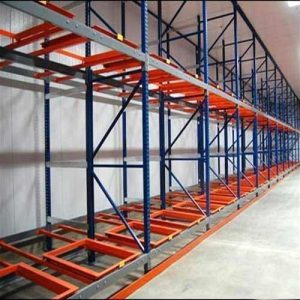
One may think that industrial shelves and pallets are the same, but they differ in terms of a warehouse. Shelves are pretty basic and used to store and pick up items. On the other hand, pallets have specific designs and are handled or moved with machines or tools such as forklifts. Racks are much taller and heavier than normal shelves. There is a variety of racks used for different purposes:
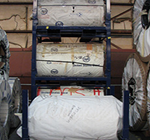
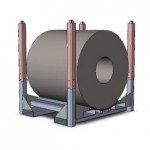
- Coil Racks: These are portable containers used to ship metal coils.
- Suspended Steel Roll Racks: These are ideal for rolling sensitive or slightly fragile material such as paper, fabric, thin metal sheets, and foam.
- Industrial Shipping and Storage Racks: These have replaceable cushions and are ideal to safely store manufactured parts or finished goods.
- Cradle Roll Racks: These are sturdy and durable racks made of either stainless steel or aluminum. They are used to transport multiple rolls at a time.
- Folding Shipping Racks: They are used to hold shipping material, but the best part is these racks can be folded and stacked when not in use.
Types of Industrial Pallets
- They are best kept indoors, especially considering weather conditions such as rain, snow, or extreme heat.
- Even when arranged indoors, it is crucial that they are kept in non-hazardous places free from flammable materials, too many electrical wires, furnaces, and chemicals.
- Keep fire extinguishers handy in the storage area.
- Make sure the heavy racks are not kept on top of each other beyond a limit.
- If you are aware of the timeframe, it is good idea to rent them to someone who needs it.
- Avoid excess heights for storage and follow the recommended storage guidelines.
- Make sure they have an insurance cover even when unused.
- Arrange them as per their sizes and make sure the repairs and maintenance is done on time.
- Keep some breathing space; let it not be cluttered and clumsy as this does not look neat and also poses risk of falls.
- Avoid storing where water, chemicals, or other fluids come in contact as there is a risk of rust or corrosion.
- Check if they can be wheeled or automated to some extent; this will help in carrying items from one place to another or on shipping ports when loading cargo.
- When buying, opt for folding, easy-to-clean, and portable racks.
- Ensure workers’ safety when removing these pallets and racks or putting them back to use.
Steel racks and pallets are used across industrial units; however, the requirement and budget of each unit varies. Getting them customized not only helps get a neat and organized look but also arrange and store specific items. Also, it is crucial that you get them from a recognized manufacturer who uses high-quality steel and other materials. SPS Ideal Solutions is one of the leading providers of industrial storage racks. The company provides steel pallets and racks in custom specifications to meet client’s business requirements.
Best Way to Store Unused Racks
1. Choose a Designated Storage Area
Allocate a specific zone within the warehouse for idle racks. This area should be clearly marked and separate from active operational zones to prevent confusion and unnecessary movement.
2. Store Indoors in a Dry Environment
Industrial racks, especially steel racks, should always be stored in covered areas. Exposure to moisture, rain, or extreme temperatures can lead to corrosion and weaken structural integrity. Proper ventilation also helps reduce humidity buildup.
3. Disassemble When Possible
If rack systems are modular, consider dismantling them before storage. Separating beams, frames, and connectors makes stacking easier and reduces the space required.
4. Follow Safe Stacking Guidelines
Never stack racks beyond recommended height limits. Excessive stacking can create instability and pose serious safety risks. Always place heavier components at the bottom for better balance.
5. Inspect Before Storing
Check for damage, cracks, or rust before placing racks into storage. Addressing minor repairs early prevents larger maintenance costs later.
Conclusion
Properly managing and storing unused racks and pallets is just as important as organizing active inventory. By designating storage zones, maintaining dry and ventilated conditions, following stacking guidelines, and prioritizing safety, businesses can protect their industrial storage racks and steel pallets from damage and deterioration.
Investing in high-quality, space-saving storage systems such as folding shipping racks and choosing reliable manufacturers further enhances warehouse efficiency. With the right warehouse storage solutions in place, companies can maintain a clean, organized, and secure facility while preserving the value of their storage equipment for years to come.
Related Post:
- Know the Real Difference between Racking and Shelving
- 6 Most Important Things to Consider Before Buying Pallet Racks.
- Repair vs Replacement of Industrial Storage Rack – What is Right?
- How do Metal Pallets Differ from Wooden Pallets?
About The Author

Recent Post


Popular Post